When people think about farming, they often picture fields, livestock, tractors, and harvests. They see food. And rightly so. Feeding the world is one of the greatest responsibilities of any farmer.
But that picture is incomplete. On farms across the world, farmers are growing something else that is just as essential: people.
Our harvest is measured not only in tonnes, but in trust. Perhaps that is agriculture's greatest hidden crop—and the International Year of the Woman Farmer is an ideal moment to share that story
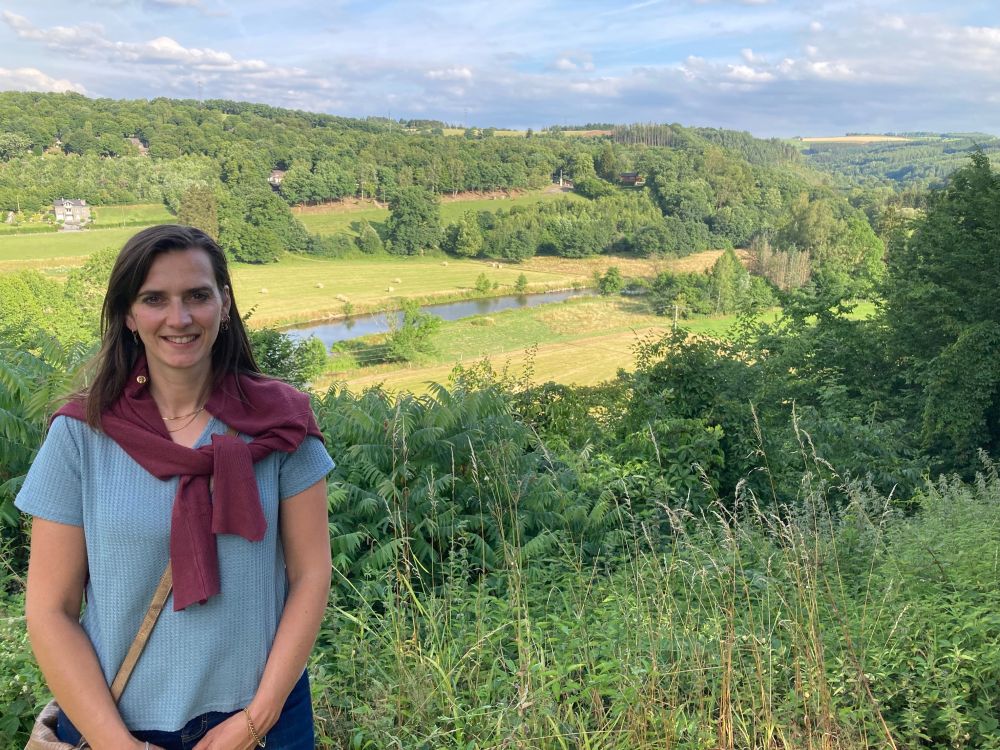
As a dairy farmer in the Netherlands, I know that each day begins with caring for animals. But it also begins with caring for family, employees, neighbours, and often the wider community. Farming has never been just a business. It is a way of life built on relationships. And women have always been at the heart of that.
Women see who struggles. We organize meals after an accident, welcome schoolchildren to the farm, help elderly neighbours, comfort worried employees, and somehow remember everyone's birthday while keeping the farm accounts up to date. None of this appears in production statistics or annual reports.
Yet without it, many farms—and many rural communities—would simply not function. This isn't because women are naturally better caregivers than men. It is because generations of women have learned that a successful farm depends on healthy relationships as much as healthy crops or healthy livestock.
Resilient agriculture starts with resilient people. Our challenges include climate change, volatile markets, changing regulations, labour shortages, and increasing public scrutiny. Technical innovation is important, but technology alone cannot solve loneliness, uncertainty, or the emotional weight that many farmers carry. The solution is people.
And that is why the contribution of women deserves more visibility. We don’t need special recognition. Yet agriculture needs every kind of leadership available, and women's leadership often looks different. It may not involve standing on a tractor or speaking at a conference. It often happens around the kitchen table, during difficult conversations, while mentoring young farmers, or by quietly building trust between agriculture and society.
Consumers increasingly want to know who grows their food. They want authenticity, transparency, and connection. Women farmers are often powerful ambassadors because they tell the stories behind the food. We explain not only what we do, but why we do it. That builds understanding where polarization threatens to grow.
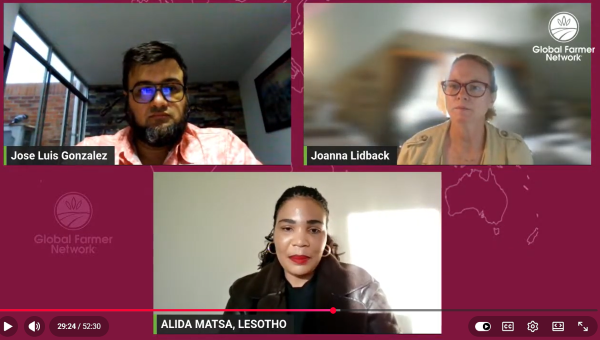
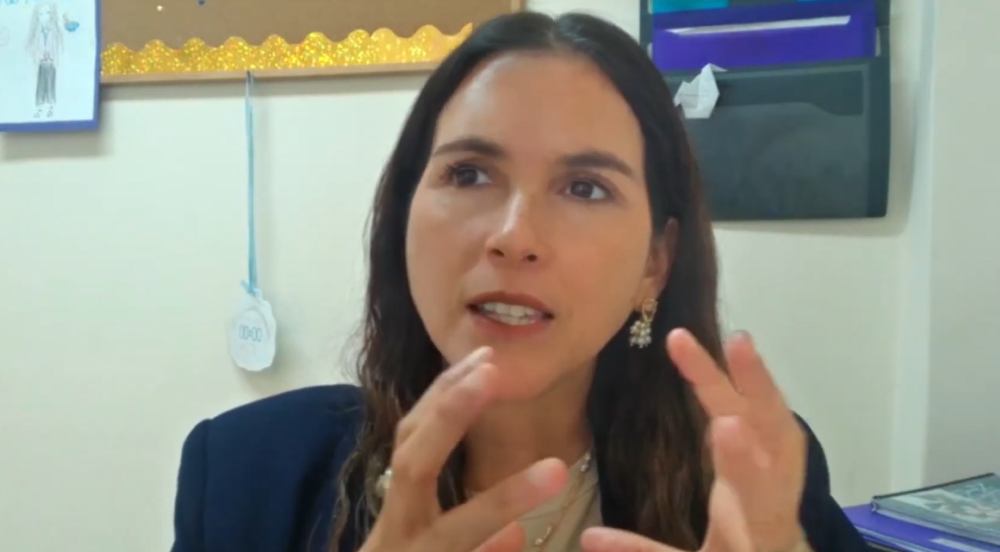
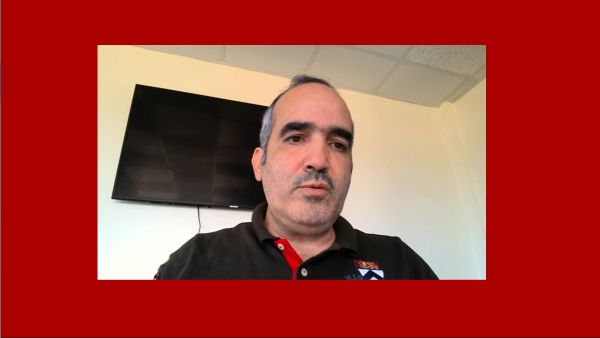
Around the world, I meet remarkable women through farming. In Brazil, I recently met the women farmers of the 2026 cohort of the Global Farmer Network. Some manage large commercial operations. Others farm a few hectares with limited resources. Some combine farming with off-farm jobs. Others lead cooperatives, research projects, or agricultural organizations or organise summits on women’s entrepreneurship.
Their circumstances differ enormously. Yet they share something remarkable: they invest in people. They educate children. They mentor young entrepreneurs. They create opportunities for neighbours. They strengthen families. They preserve traditions while embracing innovation. They help communities recover after droughts, floods, or conflict.
As the world discusses food security, sustainability, and the future of farming, let's broaden the conversation. Food security is not only about yields. It is also about mental health, strong families, thriving rural communities, sharing knowledge, and supporting others. By providing, we can grow—and not just ourselves or for ourselves, but especially for future generations.
The world needs more good food. But perhaps even more, it needs people who know how to care—for land, for animals, and for one another. That is what so many women farmers grow. As we harvest food, we also must harvest personal growth.