Choosing to farm was the best business decision I’ve ever made.
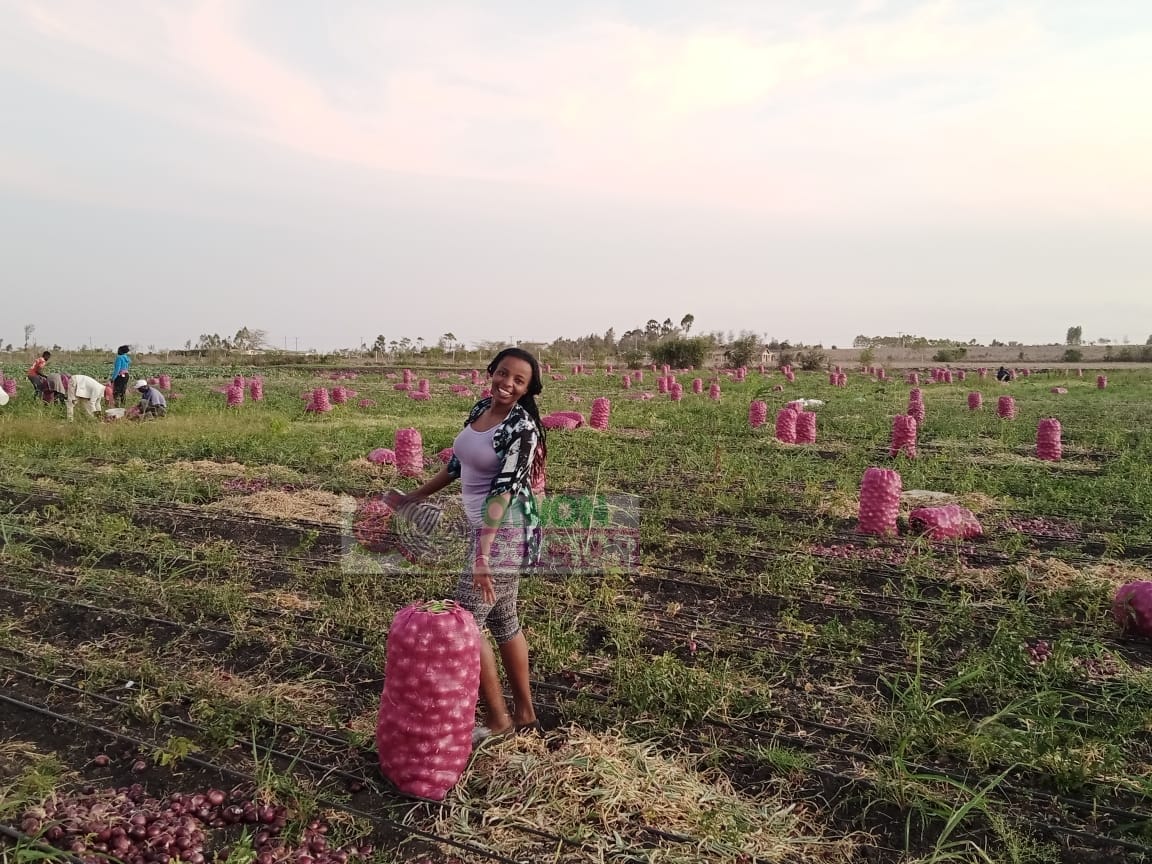
Driven by curiosity and opportunity, I had no idea what I was getting into at the time. As a young farmer who calls herself the “Onion Doctor,” I had a lot of enthusiasm. Yet many of my ideas about agriculture were different from the realities.
My mission always has been to support smallholder onion farmers here in Kenya. It remains the same today, but our model has become more integrated and technology-driven.
I used to think that farming involved getting something from nature, as if an agricultural harvest was simply something to extract. Now I see that the best farmers treat nature as an asset. They work with it rather than against it. They treat it as a thing to protect, preserve, and nurture. They invest and reinvest. They’re in it for the long run.
Where I used to see limitations, I now see endless opportunities.
At first, my partnerships with onion farmers focused on productivity. We offered high-quality seedlings that would grow into a delicious food. We also provided soil-testing services, irrigation support, and agronomic advice.
And we’re still doing all of that. They are an important part of a successful farming business.
Yet I’ve come to appreciate that farming is about a lot more than what crops produce at the end of a growing season. It’s also about sustainability, risk reduction and overall farm resilience through the adoption of regenerative agriculture practices.
We want to make sure our farmers thrive right now. We also want them to create the conditions for them to flourish in the years ahead.
Crops are only as good as the ground that grows them, and one of our major priorities is to rebuild degraded soil. We encourage composting, crop rotation, and the retention of organic matter. We also seek to conserve moisture through the wise use of water.
This allows farmers to reduce their reliance on synthetic inputs and to develop long-term soil fertility, water efficiency, and overall farm resilience.
Pests of course are a threat to farmers everywhere—and we’ve scaled up integrated pest management as a core farming strategy. Instead of turning to chemical pesticides as an immediate solution, we now use them only when necessary. We prefer a balanced combination of biological controls, resistant varieties, and cultural practices.
We also use technology more than ever. Artificial intelligence is our early warning system, helping us detect disease and identify pests when they first present themselves. Farmers take photos of affected crops with their mobile devices and receive rapid diagnosis and treatment recommendations. Reliable information and smart decisions at the farm level stop outbreaks before they start.
It’s a great example of how empowering individual farmers can deliver excellent results.
Farmers in Kenya and the rest of Africa continue to face many familiar challenges. They need better access to land and property rights. The best technologies, often involving seed genetics, can lie just out of reach. Too often, they lack affordable finance.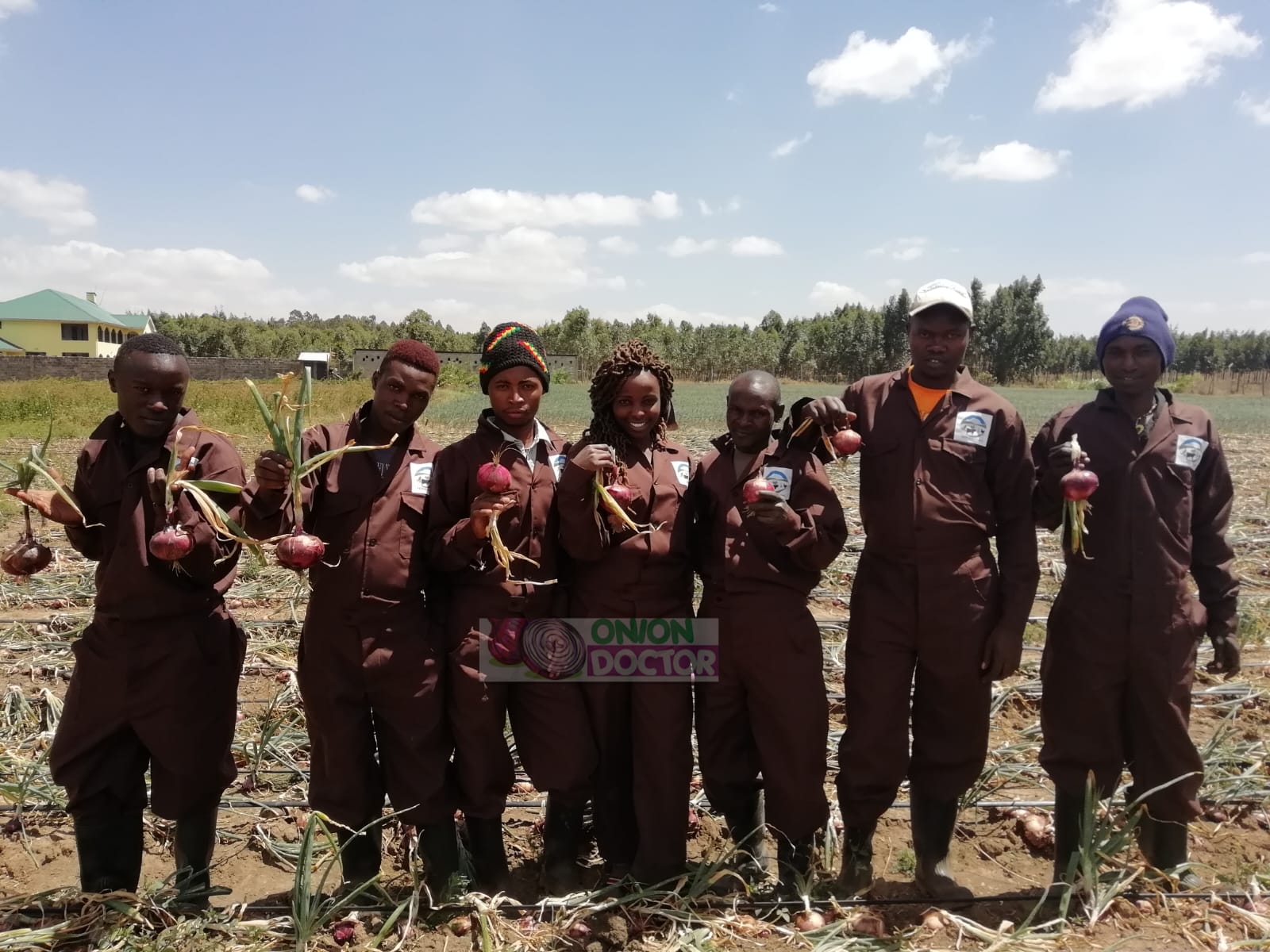
Much of this is especially true for women, who play a central role in agriculture but face special barriers. They are part of the key to unlocking the full potential of food systems.
At the root of it all may be mindset. I’m thinking of a particular farmer in Kajiado County. I met him at a field-training session. He was struggling with low yields, pest pressure, and declining soil health. He worked hard but didn’t know what to do. His frustration was obvious – working hard and not seeing results. He was losing confidence in his life as an onion farmer.
I encouraged him to treat onion farming as a commercial business that we could improve through regenerative practices and new technologies. We assessed his soil, enhanced his seedlings, introduced drip irrigation, and applied integrated pest management.
He changed his thinking. He stopped working against nature and started to work with it. His farm turned around.
He’s now making a better living, and he shares his knowledge and experience with other farmers. He has become a local example of what is possible with the right support—and a success story for the rest of us who are always striving to learn and adapt.