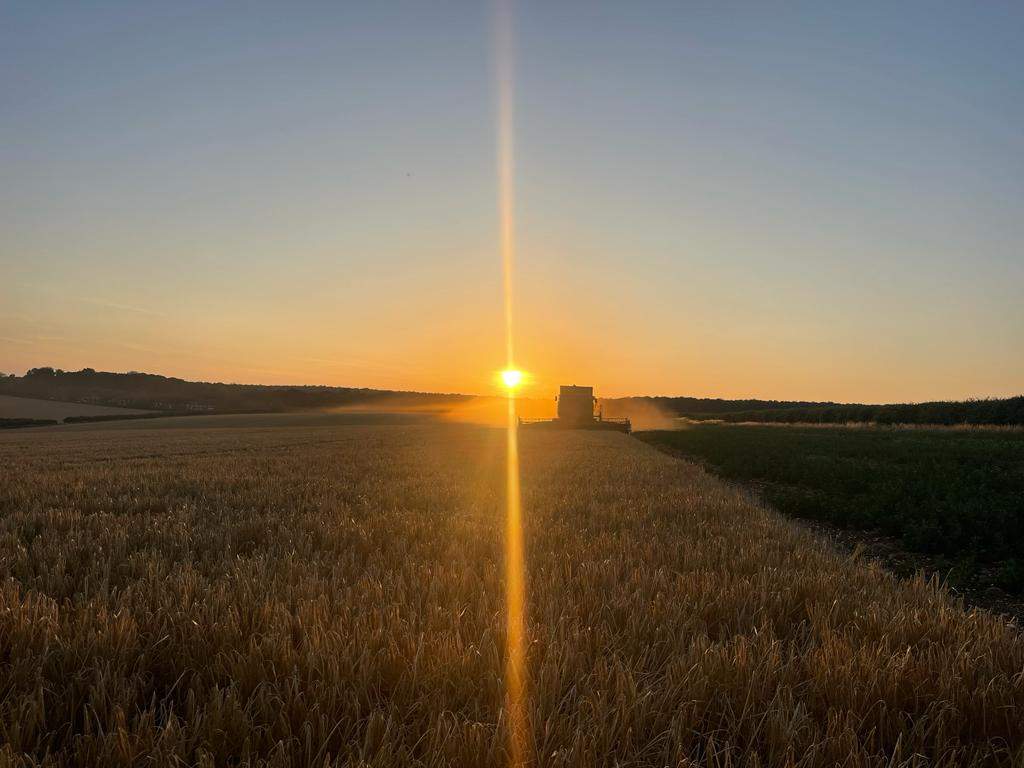
We’ve just finished one of the worst summers for farmers here in the United Kingdom.
The summer didn’t finish us off but comes on the back of a dry summer last year. We suffered but we survived—and for that on reflection we can thank the modern miracle of agricultural innovation.
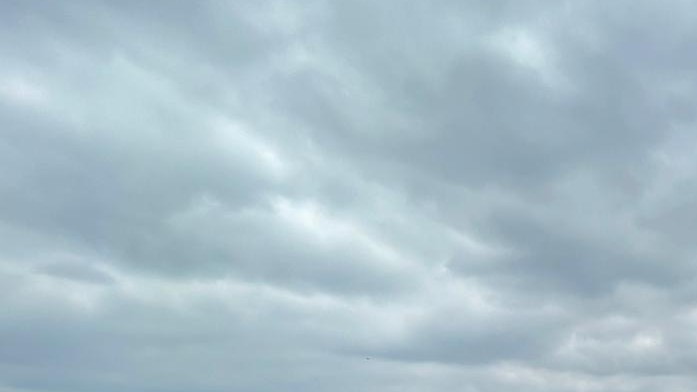
Our nation’s weather service has declared the summer of 2026 as the hottest on record. The increase in temperature above normal was around 2 degrees Celsius, or about 3.6 degrees Fahrenheit (for my American friends). That may not sound like a lot, but as farmers know, it’s a big deal. Many days literally shutting plants down, too hot to grow.
And the summer wasn’t just hot. It was also dry. July was the driest month on record, according to our meteorologists.
The heat and the drought combined to produce a hybrid vigor of harshness. The crop yields on my farm will fall to about 70 to 80 percent of expected levels. That’s a poor performance, it’s not profitable but we avoided ruin.
What happens next is unclear. Forecasters are predicting a wet autumn, though it may not be enough. The BBC recently summarized our situation in a dire headline: “At least seven months of relentless rain needed to end drought, research shows.” It will take 120 percent of typical rainfall between now and April for the drought to end by the spring planting season.
Groundwater levels are dropping. Reservoir storage is below 57 percent capacity, according to the government. This means that as hard as things are right now for farmers, we may not see the full effects of today’s troubles until the spring, when vegetable growers discover that water is scarce.
The cause is climate change. The world is getting warmer. Much of it is getting drier, too. Any solution must involve farmers, though it also can feel to individual farmers like there isn’t much we can do except cope.
The reality of failure became clear to me this year, when I traveled to the United States and visited a farmer in Minnesota. He observed that in his region, you won’t find many farmers who are in their 50s. When they were getting started in the 1980s, he said, several years of bad weather wiped them out. They quit agriculture and moved into other professions.
I worry that something similar could happen in the UK. Young farmers can endure only so many hot and dry summers. They must grow roots before they can flourish.
Our best coping mechanism is technology and the willingness to embrace change. Without the tools we’ve developed and applied over the last generation, my farm might not have withstood the weather of 2026.
The yields were lower in 1976, during a year that has gone down in the lore of UK farmers as especially horrible. Back then, I was 14 and I remember the inferno. The summer was so hot and dry that we harvested our wheat in the first days of August, a couple of weeks before we normally would have done it. We harvested about half of what we expected.
Conditions were even worse this summer. It was hotter and drier. We gathered our wheat earlier, in the middle of July. Yet we did better than our fathers and grandfathers did in 1976.
The difference is technology. Farmers have new tools. We’re much more resilient than our forebears were.
The genetics of our seeds are more robust. The crops they grow into can handle plenty of stress. They will continue to improve, but only if political leaders embrace the science and potential of gene editing.
We also have better crop-protection products, which we use with extreme precision as we protect the food we grow from weeds that steal moisture, insects that seek to feast, and fungus that spreads disease.
Food security requires strategic planning. Our public officials embrace the reality and need for new technologies. As the climate changes, they need to give farmers every possible tool to grow crops and raise livestock in a sustainable way. This will take breakthroughs, and the only way we’ll achieve them is to pursue them.
Nobody controls the weather, but so much else remains in our control. If we make the right choices now, we will adapt to our changing world—and escape the disasters of the future.