Going into the family farm business and starting poultry production was the best professional decision of my life.
It wasn’t my initial plan. At first my ambitions sent me elsewhere. I left the family farm here in Colombia to pursue a career in civil engineering. It sounded attractive, but it turned out to be dangerous, due to terrorist attacks on infrastructure projects.
As I prepared to get married a decade ago, I knew that I needed a safer lifestyle—and so I returned home to work with my father.
I discovered to my delight that poultry production is more rewarding than I once had assumed. It’s full of opportunities and challenges. It also depends on technology more that I had realized.
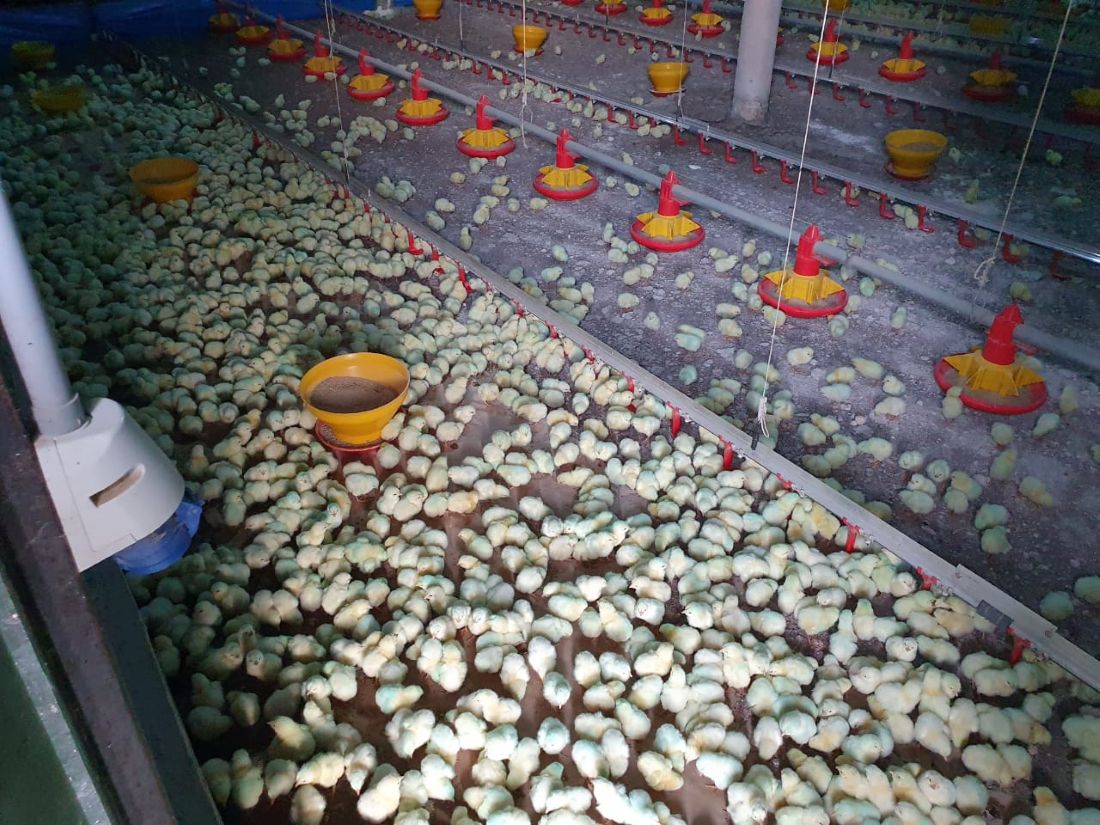
Our farm is in the northern part of the country, in a major agricultural region that is near the city of Cartagena. We raise hundreds of thousands of chickens. We also grow trees for palm oil.
Security remains a significant concern. It’s probably the biggest problem in our country. The terrorism can involve everything from kidnappings and extortion to outright violence. It comes from drug cartels, rural bandits, and guerilla groups with political agendas. Farmers must remain vigilant. Everyone is a potential target or victim.
The roads are our second biggest challenge. They just aren’t what they should be. We rely on them because we have no other options. The railways are weak. There are no canals. Yet our chickens must move from farm to fork on a steady schedule. They travel from our barns to domestic and international markets. We already send our poultry to the United States and Japan. We are working on growth plans to supply countries in Europe and elsewhere, but the unreliability of our roads threatens to hold us back.
The quality of the roads also hurts our ability to receive food for our chickens as well as other inputs, such as fertilizer. Interruptions in transport make production more costly for farmers—and that makes food more expensive for consumers.
We want to use the best technologies, but they can be hard to acquire. We must import many of our packages. This causes delays. Sometimes we don’t get what we thought we had ordered and we have to improvise. Many farmers don’t even want the latest tools. They want to keep doing things the way they were done 20 or 30 years ago. They’re stuck in the past.
That’s no way to advance an industry, which is what we seek to do on our farm. We’re always trying to press ahead and improve.
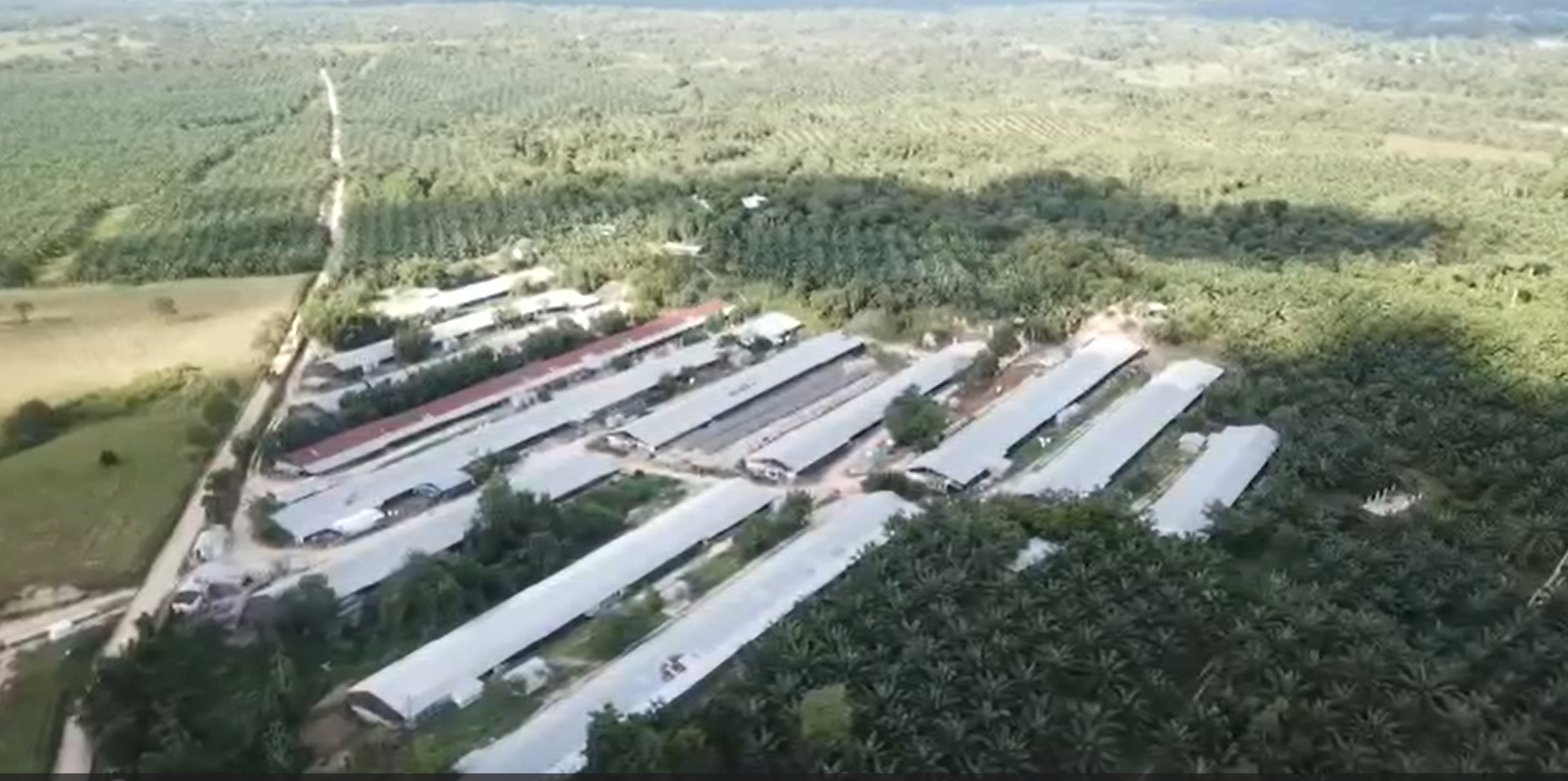
We use technology to ensure our production. We have computers in each barn to control the distribution of food and water. They also monitor and control the temperature, light, and airflow in each building.
Our ventilation system is state of the art. It not only provides a proper atmosphere for our poultry, but it also reduces our energy consumption. So do our solar panels, which currently generate more than 60 percent of our electricity. This represents a financial savings for us. It limits our carbon footprint, and that’s good for the environment.
Many people have questions and some concerns about how poultry farmers are raising their chickens. On our farm, we seek to make our chickens comfortable and to keep them healthy -housed in perfect climate conditions. When they’re well fed and cared for, they flourish. When they get sick, we use medicine to make them well. This is good for them and good for us.
The chickens aren’t our pets, but it helps to know that in one important respect they are like dogs: They come in different breeds with special genetics. Right now, the Ross and Cobb breeds are popular as broiler chickens and we’re trying to raise as many as we can. They eat voraciously and grow fast—and make excellent, protein-rich food for people.
And that’s what it’s all about: feeding people. As poultry farmers, we’re part of a long chain of production whose goal is to put delicious and healthy food on the tables of people around the world.
It all starts here, on our farm, where we’re devoted to fast and efficient production, and where we’re always striving to do better with hard work and new technologies.