The best way to judge food safety is to ask a simple question: Would you feed it to your own children?
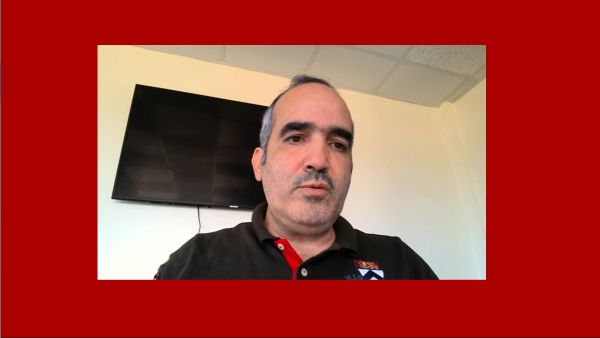
On my small farm in northern Morocco, I and my family eat what we harvest. I can’t think of a stronger standard than the one parents like me use in our homes. We’d never put our children at risk with questionable food.
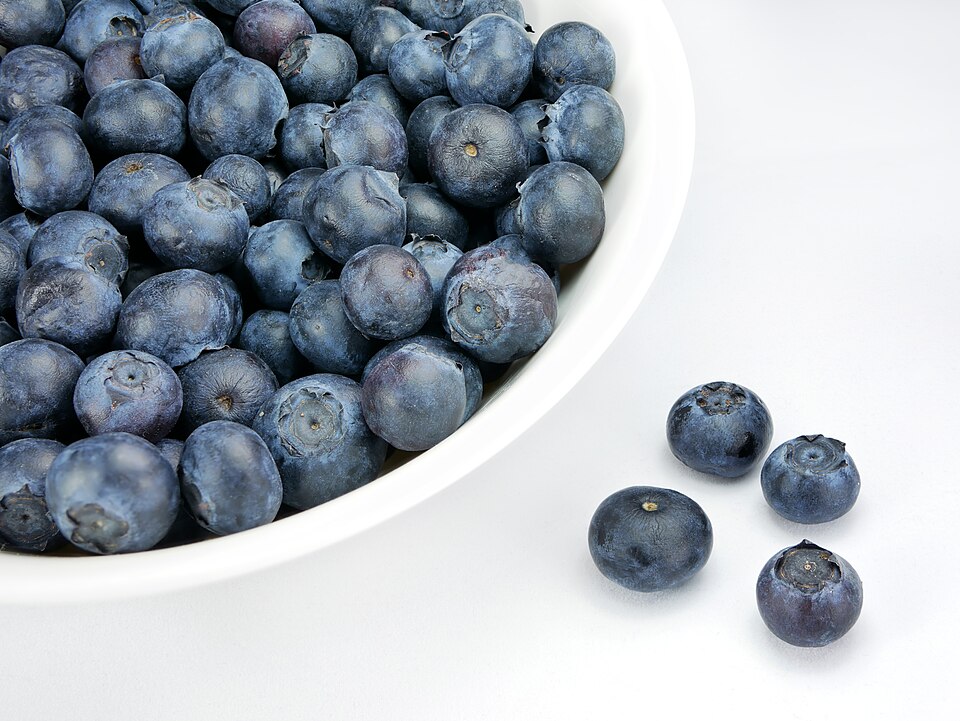
Yet our blueberries soon may not be good enough for the European Union, where regulators are threatening to impose drastic new rules on farmers who produce safe products that many around the world enjoy today.
The EU’s proposed plan, however, wouldn’t improve anyone’s food or health. It would just hurt farmers like me and make food less available and less affordable for Europeans.
At the heart of the dispute are crop-protection tools. On my farm we use them, only when needed, to keep crops healthy. We rely on drone technology to apply them with precision and in limited quantities. Our goal is to prevent disease, turn away pests, and stop weeds from stealing water and nutrients from the soil.
If farmers did not protect their crops, ordinary people would suffer. Food would be less abundant. It would look less robust. It would lose nutritional value. Consumers would face more food-borne diseases. They might even find bugs in their food. If you’re glad that you never discover worms in your apples, you can thank the crop-protection products that keep them out.
The public officials and regulators who want to impose stricter rules on farmers like me are suggesting, without evidence, that safe methods of crop protection are hazardous to human health. They’re also playing on the fears of ordinary consumers.
This is repulsive. It’s also sheer nonsense. Our approach to crop protection is 100-percent safe. I can’t put it more plainly: If they weren’t safe, I wouldn’t feed the blueberries we raise to my kids.
The consequences of the new regulations would be enormous and devastating. I’d have to change the way I grow blueberries to continue exporting them to Europe. I would be forced to use different forms of crop protection that are more expensive but not safer. It means that food in Europe would become costlier but not better.
The new directives would reduce our growing season. People who enjoy eating blueberries year-round will find that one of their favorite foods is in stores only at certain times. They would also be more scarce even when they are in season.
A new study from the Joint Research Centre, a government-funded think tank whose mission is to provide data-driven scientific advice to the EU, says the proposed regulations would raise the cost of production on farmers and boost prices for consumers.
The study doesn’t estimate what this would mean for blueberries, but it does describe the consequences for other foods. The price of coffee beans would more than triple. The price of citrus would rise by 85 percent. The price of soybean cakes, which feed the livestock that produce milk and meat, would double.
Prices would rise for 235 commodities from 86 countries: almonds from the United States, melons from Central America, and so on. This list is long.
It’s also a trade barrier. One of the chief motives behind the new regulations is not to make Europe’s imported food safer, but to make it harder for farmers like me to compete with Europeans. This is a classic case of protectionism that hurts the general population.
My farm depends on trade with Europe. So do about 250,000 other Moroccans who are involved in the business of exporting food. Our North African location means we are closer to the nations of the EU than we are to most of the nations on my own continent.
The new rules would encourage us to develop new markets in the United States, Canada, and Asia. Perhaps we would succeed. Yet we would surrender the competitive advantage of geography. No matter what, we’d pay a steep price. Many people would lose their jobs. A lot of farms would go out of business.
Meanwhile, the European bureaucrats behind it all would pretend they’ve done something good by stopping people from eating the safe food that I feed my children.
Featured image: Petar Milošević, CC BY-SA 4.0 https://creativecommons.org/licenses/by-sa/4.0, via Wikimedia Commons