Report by – Ruramiso Mashumba, Zimbabwe, Global Farmer Network Regional Lead: Africa Ag
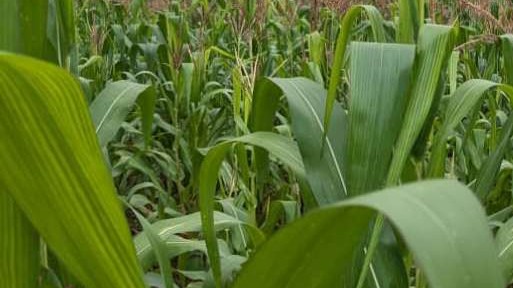
Maize (Zea mays) is Kenya's most important food crop and a cornerstone of the country's agricultural economy. Grown across nearly all of Kenya's 47 counties, its production is most concentrated in the fertile highlands of the Rift Valley and the western regions, areas historically known for their high agricultural potential, reliable rainfall, and deep loamy soils ideal for cereal cultivation.
Recent fertilizer subsidies helped boost yields, showing what is possible when smallholder farmers have access to the right inputs.
But climate change is putting production at risk, with drought affecting 23 of 47 counties and leaving about 3 million people vulnerable to hunger.
Farmers are also battling pests, disease, Striga weed, and shifting land use as some high-potential maize areas move toward sugarcane.
The path forward requires sustained input support, climate-resilient seed, irrigation, stronger extension services, and soil health investments.
"The challenges we are facing in food production due to climate change resonate deeply with the global hunger data. Until we address the structural and environmental vulnerabilities facing our smallholder farmers, millions of Kenyans will remain food insecure." — David Kosgel
Supporting smallholder farmers now is essential to strengthening Kenya’s food security for the future.
To learn more, contact Mary Boote, +1 515.274.0800 or [email protected]