Celebrating the Hands That Nourish Africa
A Special Series Commemorating the United Nations International Year of the Woman Farmer 2026
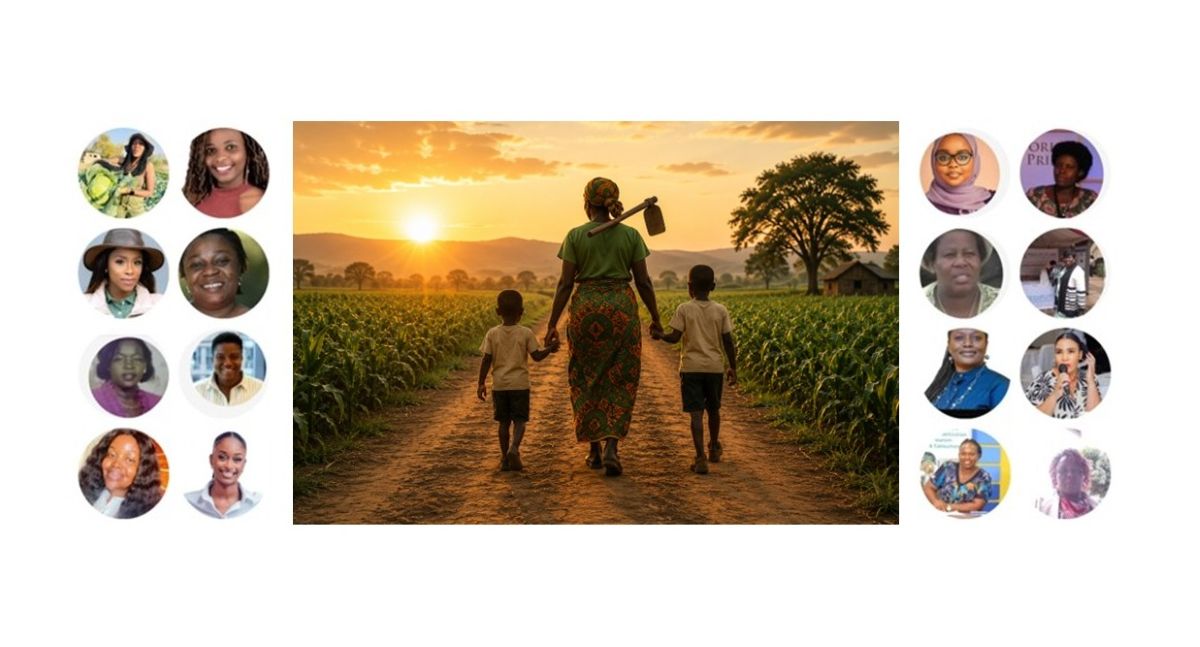
Before dawn breaks over the African landscape, she is already awake.
She quietly ties her wrapper, balances a well-worn hoe across her shoulder and steps onto the narrow path leading to her farm. Behind her walk her children one carrying a small basket, another still rubbing sleep from weary eyes. Together they begin the journey that millions of African women have made for generations.
It is a journey repeated every morning across the maize fields of Nigeria, the coffee farms of Ethiopia, the cocoa plantations of Ghana, the vegetable gardens of Kenya, the wheat fields of Zimbabwe, the rice valleys of Sierra Leone and the fertile plains of Zambia.
Long before cities awaken, Africa's women are already at work.
They plant.
They weed.
They harvest.
They preserve seeds passed down through generations.
They carry water.
They process food.
They care for livestock.
They nurture their families.
And through their labor, they nourish an entire continent.
These are the women who feed Africa.
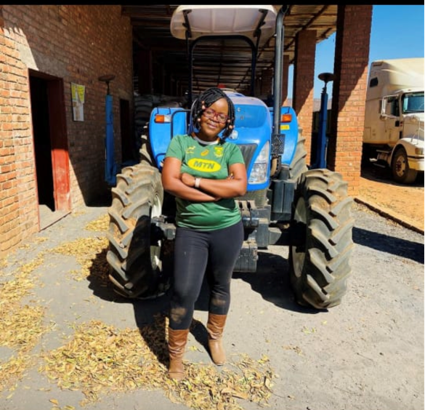
Across sub-Saharan Africa, women contribute between 60 and 80 percent of the labor involved in food production. They are the backbone of rural agriculture and the guardians of household food security. Yet, despite producing much of the continent's food, millions of them remain among the least recognized, least financed and least empowered participants in Africa's agricultural economy. Many cultivate land they do not own. Others are unable to inherit family land or use it as collateral to obtain credit. Too often they are overlooked for mechanization, improved seed, irrigation, extension services and modern agricultural technologies. The challenge has never been their ability; it has been unequal access to opportunity. Yet this is not the whole story. Across Africa, a quiet revolution is taking place. Women are breaking barriers and redefining what is possible in agriculture. From the commercial wheat farms of Zimbabwe to the mechanized maize fields of Nigeria, from Kenya's thriving horticultural enterprises to Ghana's agribusinesses and Ethiopia's coffee estates, women are leading successful commercial farms, managing agribusinesses, producing certified seed, embracing technology and creating employment for thousands. They are proving that when women are empowered, agriculture flourishes.
The United Nations has declared 2026 the International Year of the Woman Farmer, recognizing that women are indispensable to achieving food security, economic development and resilient food systems. It is in that spirit that we launch Women Who Feed Africa. Over the coming months, we will explore the realities of women in agriculture across our continent. This series is our tribute to them because behind every harvest is a woman whose hands prepared the soil. Behind every meal is a woman whose labor made it possible. And behind Africa's food security stand millions of women whose contributions deserve not only recognition, but investment, opportunity and respect. This is their story. This is Women Who Feed Africa. Welcome to Celebrating the Hands That Nourish Africa.